
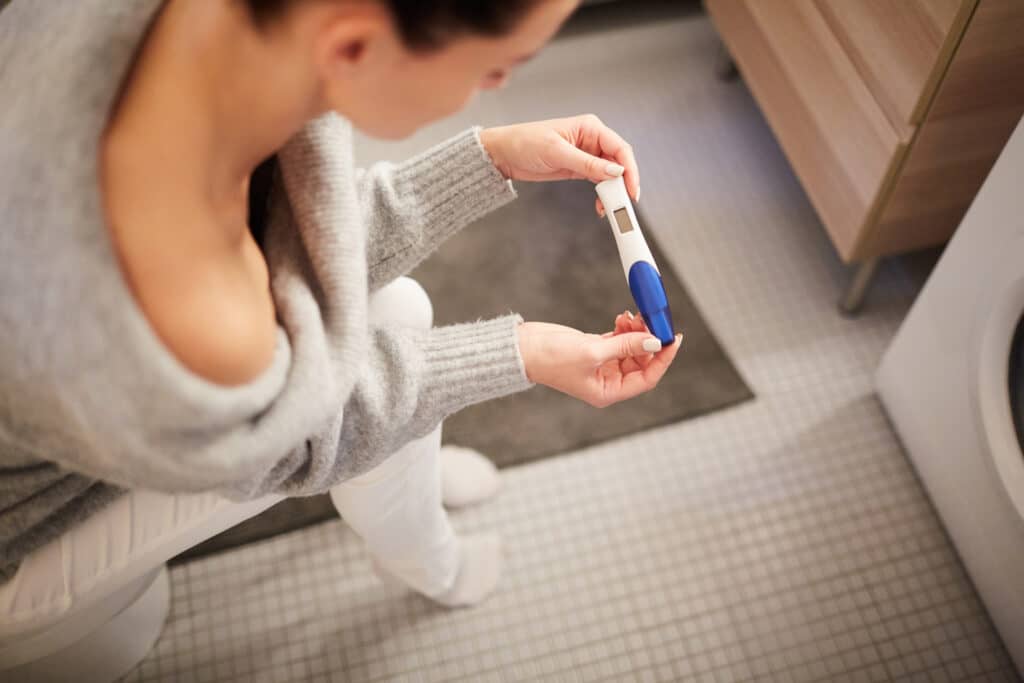
If you are trying to become pregnant, or want to try in the future, you may be wondering if your polycystic ovary syndrome (PCOS), also known as PMOS, will stand in your way. PCOS can make conception more challenging for some women, but having PCOS does not mean that pregnancy is impossible. Understanding how PCOS affects ovulation can help you take the right next steps.
Oregon Women’s Clinics specializes in often-overlooked concerns such as PCOS, hormonal imbalances, insulin resistance, and the connection between metabolic and reproductive health. Led by Founder and Clinical Director Russ Henderson, FNP-BC, the provider-led team takes an evidence-based, personalized approach to identifying underlying factors that may affect a woman’s health.
How Does PCOS Affect Fertility?
One of the main ways PCOS can affect fertility is by disrupting ovulation. Hormonal imbalances may prevent an egg from developing or being released regularly, resulting in irregular or missed periods.
If ovulation happens less frequently, there are fewer opportunities to become pregnant. However, some women with PCOS continue to ovulate and may conceive without fertility treatment.
Can Treating PCOS Improve Your Chances of Pregnancy?
Managing the factors contributing to PCOS may help support more regular ovulation and overall reproductive health. Treatment varies depending on your symptoms, health history, and pregnancy goals.
Your provider may evaluate issues such as:
- Menstrual cycle regularity
- Hormone levels
- Blood sugar and insulin resistance
- Weight and metabolic health
- Signs of excess androgen levels
- Other conditions that could affect ovulation
Lifestyle changes may also be recommended when appropriate. For some women, improving insulin sensitivity, nutrition, physical activity, or weight management can help make menstrual cycles and ovulation more predictable.
If pregnancy does not occur, medications that encourage ovulation may sometimes be considered. A primary care provider can also coordinate with an OB-GYN or fertility specialist when additional reproductive care is needed.
When Should You Talk to a Provider?
You do not have to wait until you are actively struggling to conceive to discuss PCOS and fertility. If your periods are very irregular, you rarely menstruate, or you know you have PCOS and want to become pregnant, talking with a provider beforehand can help you understand your reproductive and metabolic health.
Get Personalized Support for PCOS in Eugene, OR
PCOS does not automatically prevent you from becoming pregnant. Oregon Women’s Clinics provides personalized evaluation and treatment focused on PCOS, hormonal health, insulin resistance, and related concerns. Call 541-505-8773 to schedule a consultation.