
Hormone therapy is not a one-size-fits-all treatment. If you are seeking relief from perimenopause or menopause symptoms and considering bioidentical hormone replacement therapy (BHRT), you may be surprised to learn that hormones can be delivered through several methods, each with different advantages, dosing schedules, and considerations.
At OWC (Oregon Women’s Clinics), our provider-led team offers evidence-based BHRT and specialized primary care for women experiencing menopause, perimenopause, hormonal imbalances, and related concerns. We take women’s symptoms seriously, looking beyond temporary fixes to create personalized plans that support energy, comfort, sexual health, and long-term wellness.
Oral Hormone Therapy
Oral BHRT is taken as a tablet or capsule, usually on a daily schedule. Progesterone is commonly administered this way, although certain forms of estrogen may also be prescribed orally.
Many patients appreciate the familiarity and convenience of a pill. However, oral hormones pass through the digestive system and liver before entering circulation, so a provider must consider your health history, symptoms, and risk factors when determining whether this option is appropriate.
Transdermal Creams, Gels, and Patches
Transdermal hormones are absorbed through the skin. Depending on the prescription, they may be applied as a cream or gel or delivered via a patch that is replaced on a regular schedule.
These methods provide systemic treatment, meaning the hormones circulate throughout the body. Patches offer consistent delivery without daily application, while creams and gels may allow for more individualized dosing. Careful application is important to maintain consistent absorption and prevent accidental transfer to others.
Pellets and Injections
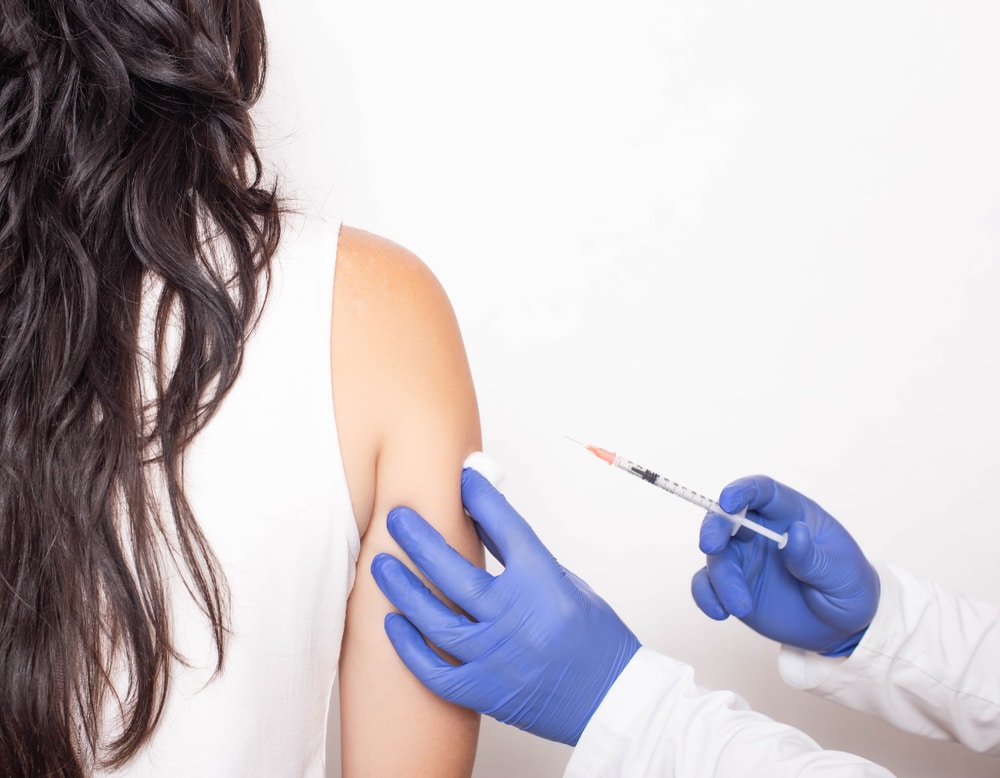
Hormone pellets are small implants placed beneath the skin during an in-office procedure. They gradually release hormones for several months, reducing the need for daily treatment. Because pellets cannot be easily removed or adjusted after placement, careful dosing and follow-up are essential.
Certain hormones may also be administered by injection. Injections are given according to a specific schedule and may produce fluctuations between doses, making ongoing symptom monitoring important.
Vaginal Hormone Therapy
Low-dose vaginal estrogen is available as creams, tablets, inserts, or rings. Unlike systemic treatment, it primarily targets vaginal and urinary symptoms such as dryness, irritation, discomfort during sex, and recurring urinary concerns.
Your ideal treatment route depends on your symptoms, medical history, lifestyle, preferences, and whether you need localized or whole-body support.
Find the Right Approach to BHRT in Eugene, OR
OWC develops individualized hormone plans based on your symptoms, health history, treatment goals, and response over time. Call 541-505-8773 to schedule a consultation and explore your BHRT options in Eugene, OR.